

In recent years, standing desks have gained immense popularity as more people recognize the health risks associated with prolonged sitting. From reducing back pain to improving posture and boosting productivity, standing desks offer numerous benefits. However, to fully reap these advantages, it is crucial to set your standing desk at the optimal height. An improperly adjusted desk can lead to discomfort, strain, and even long-term musculoskeletal issues. This article explores the importance of finding the right standing desk height and provides practical tips to ensure your workspace is ergonomically sound.
Why Desk Height Matters?
The height of your standing desk plays a pivotal role in maintaining proper posture and minimizing physical strain. When your desk is too high, you may find yourself raising your shoulders or bending your wrists awkwardly, which can lead to shoulder and wrist pain. Conversely, a desk that is too low can cause you to hunch over, straining your neck, back, and shoulders. Over time, these poor postures can contribute to chronic pain and repetitive strain injuries.
The goal of an optimal desk height is to create a neutral body position where your joints are naturally aligned, and your muscles are relaxed. This not only enhances comfort but also promotes efficiency and focus during work.
How to Determine the Optimal Standing Desk Height?
The ideal height for a standing desk varies depending on your height, the type of work you do, and the equipment you use. Here’s a step-by-step guide to finding the perfect setup:
1. Measure Your Elbow Height
Stand upright with your arms relaxed at your sides and your elbows bent at a 90-degree angle. Measure the distance from the floor to the bottom of your elbows. This measurement is a good starting point for your desk height.
2. Adjust Your Monitor
Your monitor should be positioned at eye level, about 20 to 30 inches away from your face. If your desk height doesn’t allow for this, consider using a monitor stand or riser to achieve the correct alignment. This prevents neck strain by ensuring you don’t have to tilt your head up or down to view the screen.
3. Consider Your Keyboard and Mouse
Your keyboard and mouse should be placed at a height that allows your wrists to remain straight and your forearms parallel to the floor. If your desk height doesn’t accommodate this, an adjustable keyboard tray can be a useful addition.
4. Test and Refine
Once you’ve set your desk height, spend some time working in the new position. Pay attention to any discomfort or strain in your neck, shoulders, back, or wrists. Make small adjustments as needed until you find the most comfortable setup.
Additional Tips for an Ergonomic Standing Desk Setup
Use an Anti-Fatigue Mat
Standing for long periods can be tiring and hard on your feet. An anti-fatigue mat provides cushioning and encourages subtle movements, which can improve circulation and reduce discomfort.
Wear Supportive Footwear
Avoid standing in bare feet or unsupportive shoes. Opt for footwear with good arch support to minimize strain on your feet and legs.
Incorporate Movement
Even with an optimal desk height, standing still for hours can be taxing. Shift your weight from one foot to the other, take short walks, or use a footrest to keep your body engaged.
Alternate Between Sitting and Standing
While standing desks offer many benefits, it’s important to strike a balance. Alternate between sitting and standing throughout the day to avoid overloading any one part of your body. A sit-stand desk or a height-adjustable stool can make this transition seamless.
The Role of Height Adjustable Desk
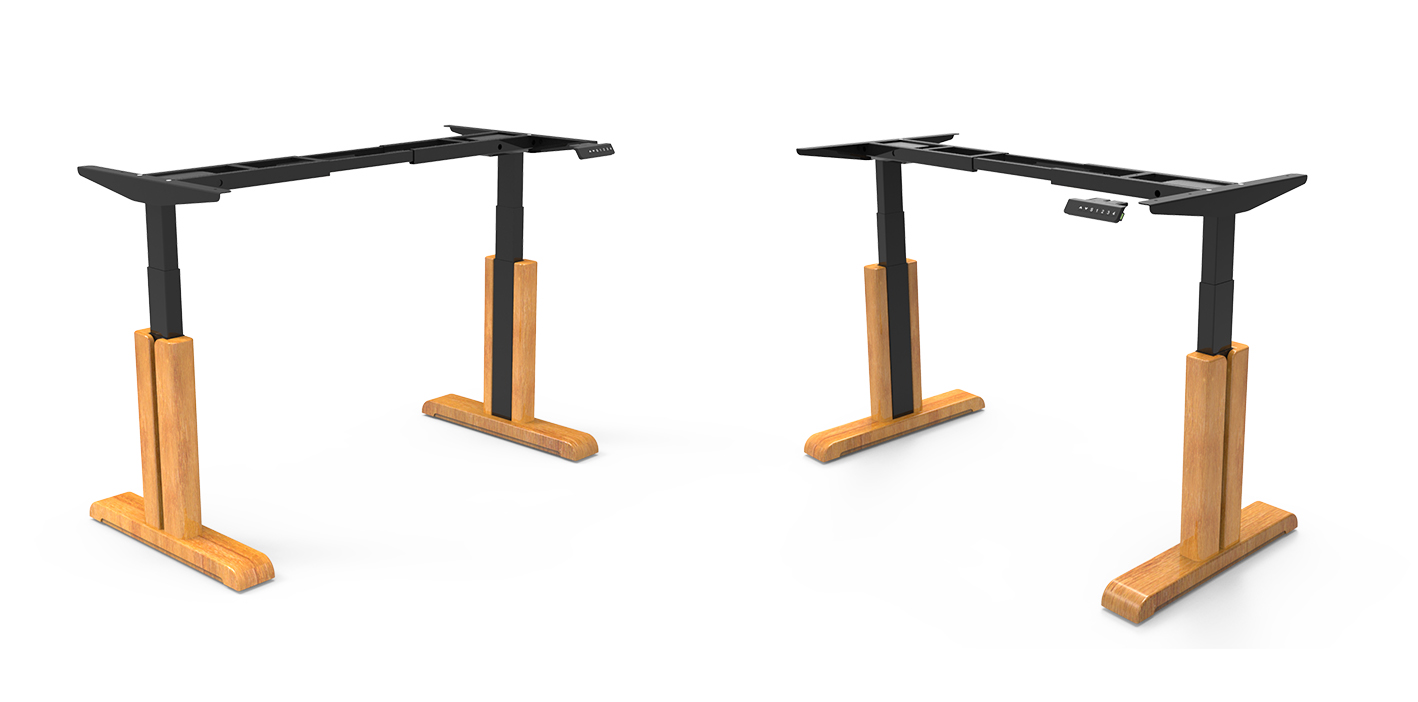
Investing in an adjustable standing desk is one of the best ways to ensure optimal ergonomics. These desks allow you to easily change the height to suit your needs, whether you’re working on a laptop, typing, or reading. Look for desks with a wide height range and smooth adjustment mechanisms to accommodate different tasks and users.
Conclusion
Finding the optimal standing desk height is essential for creating a comfortable and productive workspace. By taking the time to adjust your desk to your body’s unique needs, you can prevent discomfort, improve your posture, and enhance your overall well-being. Remember, ergonomics is not a one-size-fits-all solution—experiment with different setups and make adjustments as needed to create a workspace that works for you. With the right height and a few ergonomic accessories, you can transform your standing desk into a cornerstone of a healthier, more efficient workday.