

I. Electric Lifting Column Technical Specifications
1. Load Capacity:
Standard Range: 125 kg-200 kg (dual motor system)
Dynamic and static load ratings (EN 527 certified)
Safety Factor: At least 1.5 times the rated load
2. Speed and Stroke:
Vertical Speed: 30-45mm/s (optimized balance speed and stability)
Stroke Range: 450-650mm (covers 60-130cm desktop height)
Positioning Accuracy: ±1mm (Hall Sensor Feedback System)
3. Power Specifications:
Motor Type: 24V DC Brushless Motor (TUV certified)
Power Consumption: Standby <0.5W, Running 100-200W
Duty Cycle: 2 minutes on/18 minutes off (continuous operation capability)
II. Electric Lifting Column Structural Components
1. Telescopic tube:
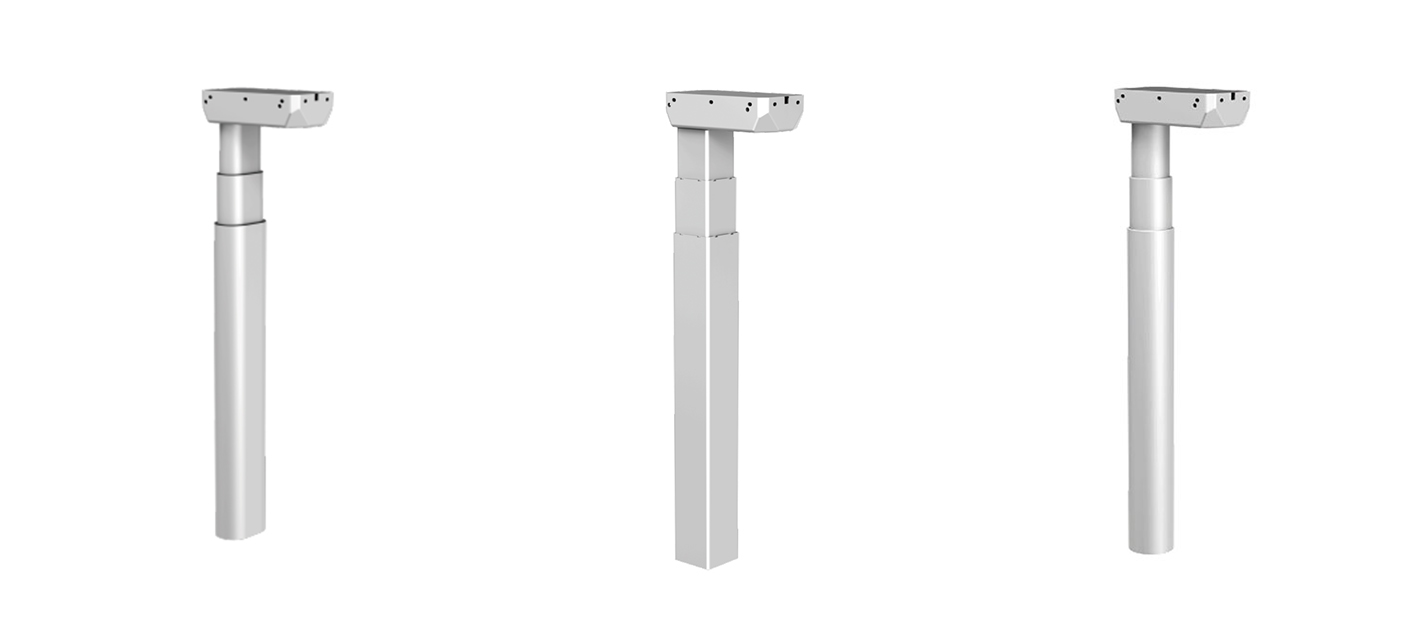
The telescopic tube of the electric lifting column has three shapes: rectangular, round, and square. The most common one is the rectangular lifting column, and its outer diameter is usually 80*50mm or 75*45mm, etc.
Cold-rolled steel pipe (ST52-3 grade), powder coating
Wall thickness: 1.5-2.5mm (optimized stiffness/weight ratio)
2. Drive mechanism:
Two-stage helical gear reducer (maximum noise 75dB)
ACME trapezoidal screw (Tr12x3 pitch)
Self-lubricating polymer nut (lifespan of more than 50,000 times)
3. Motor assembly:
IP54 grade sealed housing
Integrated overcurrent/overheating protection
Dynamic braking system (emergency stop function)
III. Electric Lifting Column Manufacturing Processes
1. Tube Fabrication:
CNC tube straightening (straightness tolerance <0.1mm/m)
Laser cutting for mounting holes (±0.05mm precision)
Multi-stage phosphate conversion coating
2. Gear Manufacturing:
CNC hobbing for gear teeth (DIN 8 accuracy class)
Case hardening (surface hardness HRC 58-62)
Run-in testing with controlled wear patterns
3. Quality Assurance:
100% load cycle testing (50,000+ cycles @ 125% load)
Vibration testing (5-500Hz sweep, 3 axes)
IPX4 water resistance validation
IV. Electric Lifting Column Performance Characteristics
1. Stability Control:
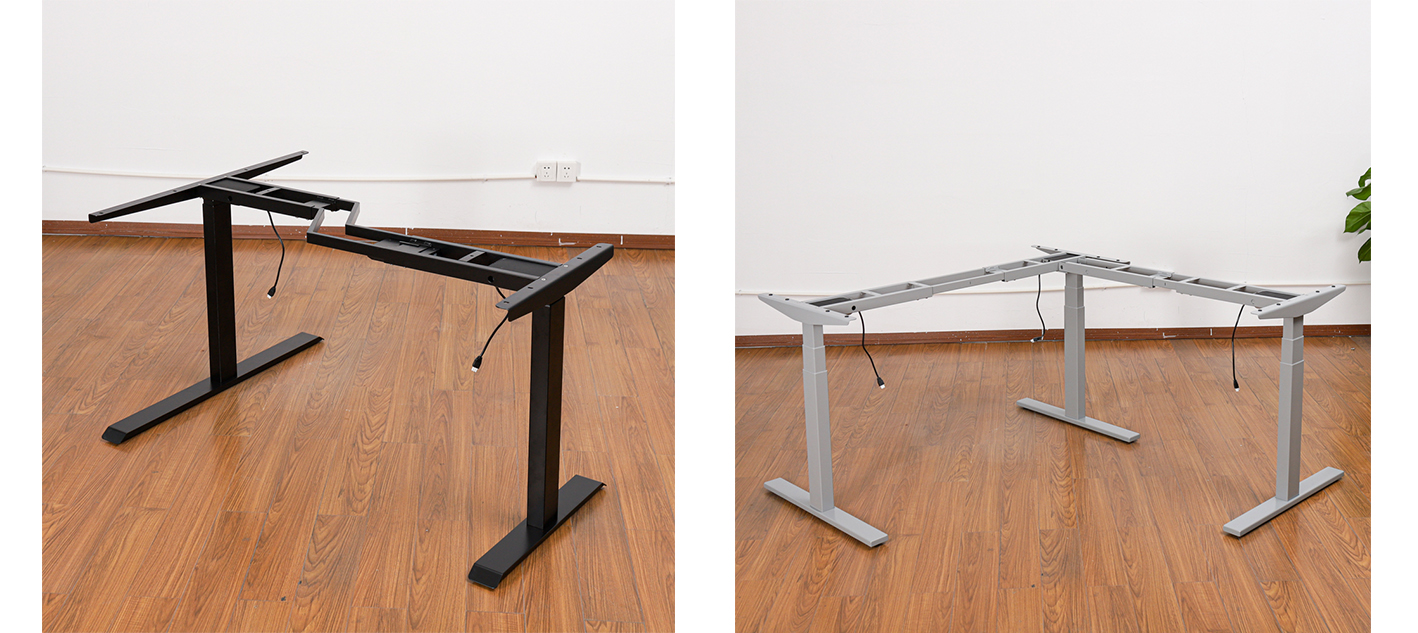
Anti-sway crossbar design
Moment resistance: >150Nm at full extension
Parallelism tolerance: <0.2° between columns
2. Intelligent Control:
CAN bus communication protocol
Collision detection (5N sensitivity threshold)
Position memory presets (4+ user profiles)
3. Safety Features:
Dual Hall sensor redundancy
Overload torque limiter (mechanical slip clutch)
Emergency descent function (manual override)
V. Electric Lifting Column Advanced Technologies
1. Energy Recovery Systems:
Regenerative braking energy storage
Smart power management ICs
2. Noise Reduction:
Viscoelastic polymer dampers
Helical gear micro-geometry optimization
3. Smart Integration:
IoT-ready control modules
API for building management systems
Conclusion
Modern electric lifting column represent a harmonious integration of mechanical engineering and electronic control systems. Through precision manufacturing and rigorous testing protocols, contemporary lift columns achieve exceptional performance metrics while maintaining Class II medical device-level reliability (per IEC 60601 standards). As workstation ergonomics become increasingly crucial, these electromechanical systems continue evolving with features like predictive maintenance algorithms and AI-optimized movement patterns, setting new benchmarks for workplace wellness solutions.