

The Health Benefits of Standing Desks
The science behind standing desks is compelling. Prolonged sitting has been linked to increased risks of obesity, cardiovascular disease, and musculoskeletal disorders. By alternating between sitting and standing, users improve circulation, engage core muscles, and reduce strain on the spine. A solid wood standing desk elevates this experience by providing a stable, ergonomic surface that adapts to individual needs. Unlike flimsy alternatives, solid wood offers unwavering support, ensuring smooth height adjustments and minimizing wobble during use—a critical factor for tasks requiring precision, such as writing or drawing.
Why Solid Wood? The Material Matters
Solid wood is a material steeped in history, valued for its durability and natural beauty. Unlike engineered wood or metal frames, solid wood desks carry a warmth and uniqueness that synthetic materials cannot replicate. Each grain pattern tells a story, making every desk one-of-a-kind. Popular choices like oak, walnut, and maple are not only visually striking but also exceptionally robust, capable of withstanding decades of use. This longevity reduces waste, aligning with sustainable living principles.

From an environmental perspective, solid wood is a renewable resource when sourced responsibly. Many manufacturers now prioritize wood certified by organizations like the Forest Stewardship Council (FSC), ensuring forests are managed ethically. Additionally, wood’s carbon sequestration properties mean that a wooden adjustable desk continues to store carbon throughout its lifespan, subtly contributing to climate mitigation.
Design Versatility and Customization
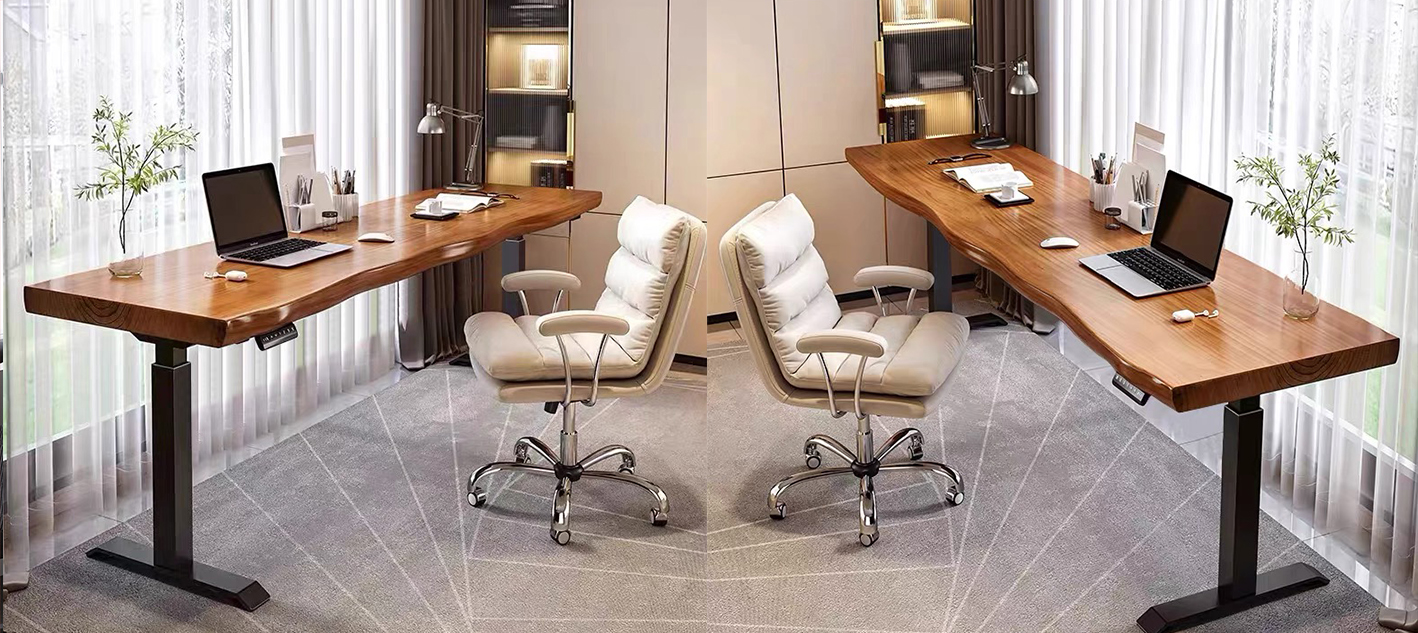
Solid wood standing desks cater to diverse tastes and workspaces. Whether your style leans toward minimalist Scandinavian design, rustic farmhouse charm, or industrial modernism, wood’s versatility shines. Customization options abound: choose a live-edge slab for organic texture, opt for a sleek matte finish, or select a reclaimed wood desk to incorporate history into your workspace. Many models also integrate advanced features like programmable height settings, USB ports, or cable management systems, proving that tradition and technology can coexist harmoniously.
The Psychological Impact of Natural Materials
Studies in environmental psychology highlight the calming effects of natural materials like wood. A solid wood desk can transform a sterile office into a soothing sanctuary, reducing stress and enhancing focus. The tactile experience of running a hand over a smooth wooden surface fosters a connection to nature—a subtle yet powerful reminder of the world beyond screens and deadlines. This biophilic design principle is increasingly embraced in workplaces aiming to boost employee well-being and creativity.
Maintenance and Longevity
While solid wood requires more care than laminate or metal, its maintenance is straightforward. Regular dusting and occasional conditioning with natural oils preserve its luster. Minor scratches can be sanded and refinished, allowing the desk to age gracefully. In contrast, cheaper materials often show irreparable wear within years, ending up in landfills. A well-crafted solid wood desk becomes a family heirloom, accruing sentimental value over time.
Cost vs. Value: A Long-Term Perspective
Solid wood standing desks typically come with a higher upfront cost compared to particleboard or plastic alternatives. However, their durability ensures cost-effectiveness over time. Consider this: a $1,000 desk that lasts 30 years equates to about $33 annually—a trivial expense for daily health benefits and aesthetic pleasure. Moreover, the resale value of quality solid wood furniture remains high, offering flexibility for future upgrades.
Sustainability in Action
Choosing a real wood stand up desk reflects a commitment to sustainability. By supporting ethical forestry and rejecting disposable culture, consumers drive demand for eco-conscious production. Some brands take this further by using non-toxic finishes, recycled packaging, or carbon-neutral shipping. Pair your desk with accessories like bamboo monitor stands or cork coasters to create a cohesive, earth-friendly workspace.
Conclusion: More Than a Desk—A Lifestyle Choice
The wood standing desk is not merely a piece of furniture; it embodies a philosophy of mindful living. It encourages movement, celebrates craftsmanship, and honors the environment. In a world dominated by mass-produced goods, it is a tangible connection to authenticity and permanence. Whether you’re a remote worker, a creative professional, or someone seeking to enhance your daily routine, a solid wood standing desk offers a timeless solution that nurtures both body and soul.
As we reimagine workspaces for the 21st century, the marriage of ergonomic innovation and natural materials like solid wood paves the way for healthier, more sustainable ways of working. Investing in such a desk is an act of self-care and planetary stewardship—a small but meaningful step toward a balanced future.