

The Unique Cable Management of Standing Desks
Standing desks introduce distinct cable management hurdles absent from fixed workstations. Height adjustments (often 10–20 inches of vertical movement) stretch and tug unmanaged cables, risking disconnections or frayed wires. Unlike static desks, cables can’t be permanently fixed—they need flexibility without chaos. Additionally, the mix of devices (monitors, laptops, chargers, peripherals) creates a "cable traffic jam" that worsens when switching between sitting and standing. A 2025 survey found 78% of standing desk users cite cable tangling as their top workspace frustration, with 41% reporting damaged cables from poor management.
Bring order to cable clutter with the right tools. Leading solutions in 2025 prioritize adaptability, durability, and simplicity—key features for standing desks. Here are our picks for the best cable management tools for standing desks.
1. Under Desk Cable Tray
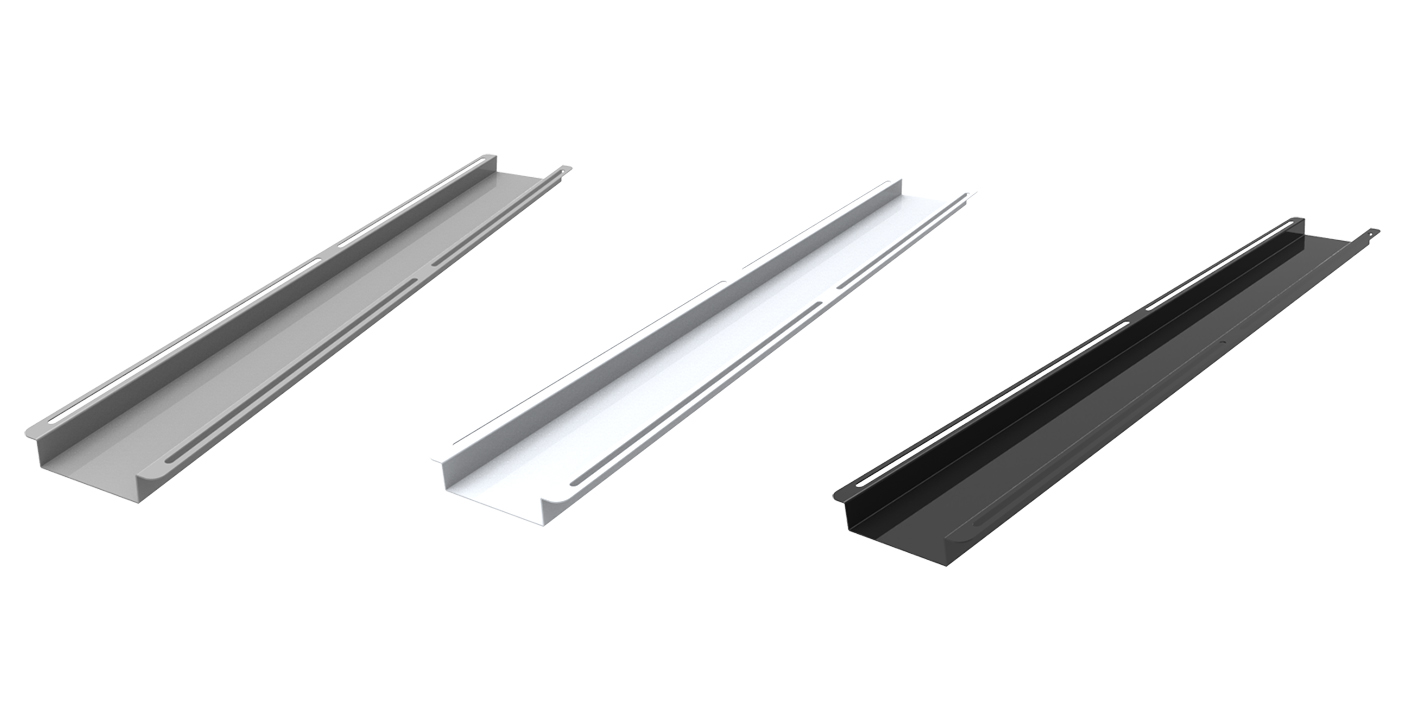
The Under Desk Cable Tray is a basket or tray installed beneath your desk, centrally storing power strips and multiple cables.
Key Benefits:
Centralized Management: Can store power strips and numerous cables.
Effective Concealment: Cables are completely hidden under the desk, creating a neat and tidy appearance.
Safe and Durable: Made of sturdy steel, it has a strong load-bearing capacity (e.g., up to 10 lbs/approximately 4.5 kg).

2. Under Desk Cable Cover
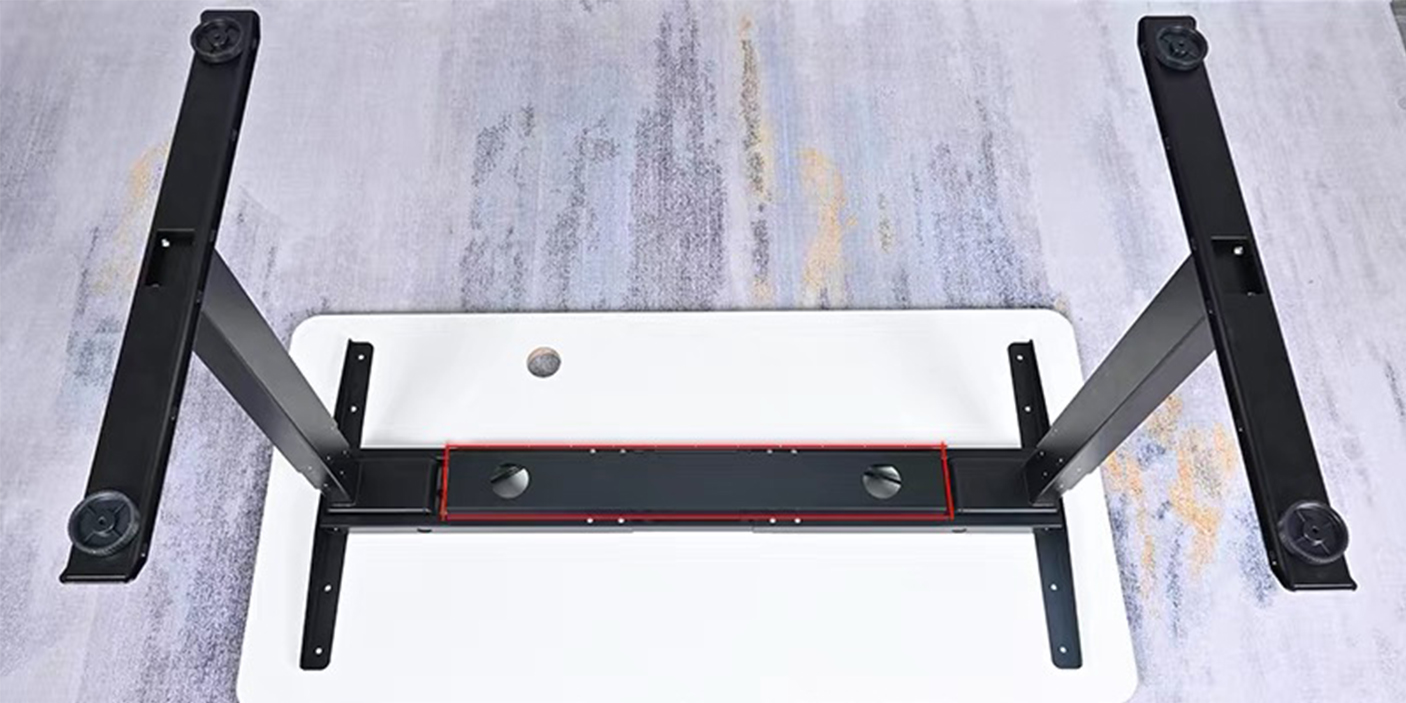
The Under Desk Cable Cover is a cable duct cover that covers the underside of the desk surface, guiding and concealing the control box and cables included with a standing desk.
Key Benefits:
Vertical Cable Management: Specialized for managing cables from the desk surface to the floor, preventing them from dangling and becoming tangled.
Integrated Appearance: Blends seamlessly into the office environment, eliminating the appearance of a retrofitted accessory.
3. Under Desk Cable Sleeves
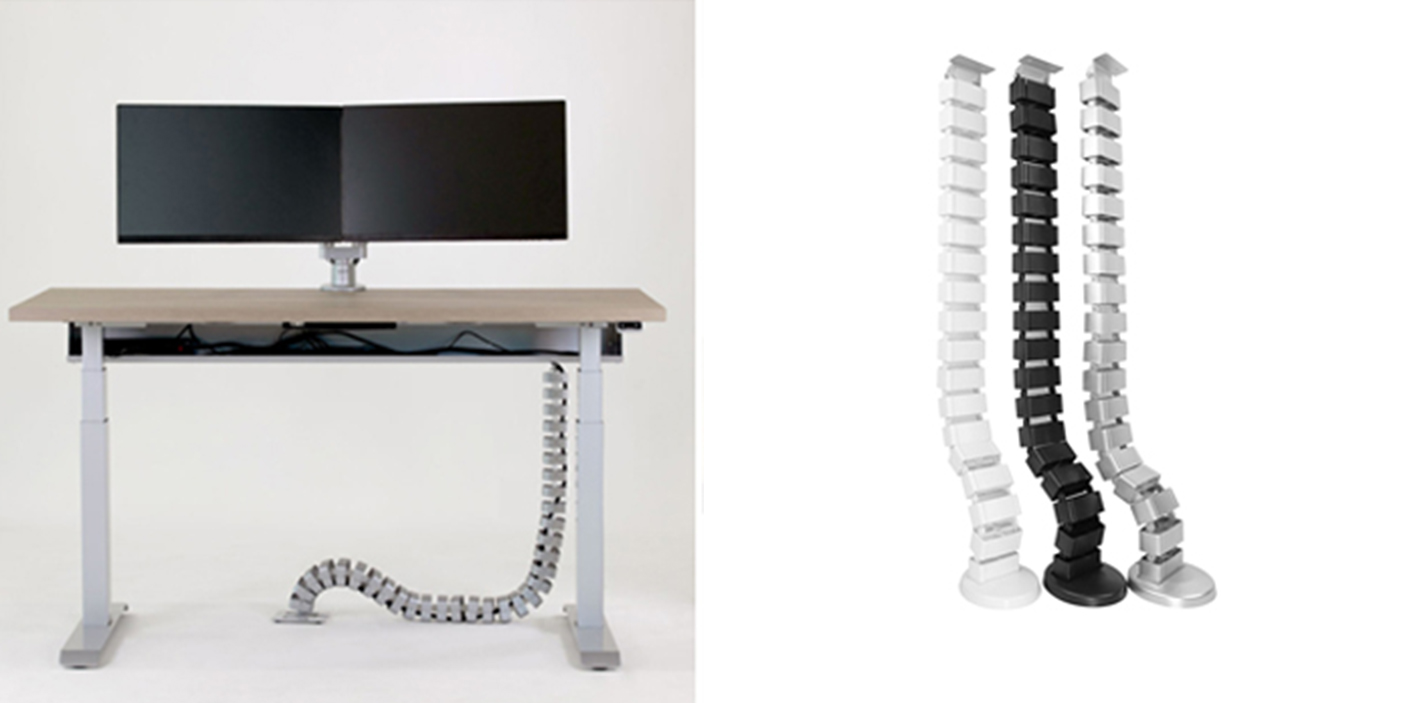
Under-Desk Cable Sleeves are flexible, spiral-shaped sleeves that bundle multiple loose cables.
Key Benefits
Flexibility and Portability: They can be bent and cut to fit any situation, and are easy to install and remove.
Affordability: They are typically the least expensive of the three tools.
Organizes Loose Cables: They effectively eliminate the problem of tangled cables.
How to choose the standing desk cable management that suits you?
If you have power strips and numerous cables that need to be hidden, an under-desk cable tray is the perfect solution. It neatly stores the power strip and all connected cables underneath the desk, creating a visually clear space and perfect for those seeking a perfectly clutter-free desk.
If you simply want to conceal your desk's control box and cables, an under-desk cable cover will suffice. It conceals the exposed standing desk control box and excess cables, creating a cleaner and tidier overall look.
If your primary concern is cables dangling from your desk, a cable wrap is a better option. It inexpensively organizes vertically drooping cables, preventing them from tangling and tripping hazards, while also adding a neater look to your workspace. It's particularly useful for managing the tangled mess of cables behind your computer or monitor.
Why It Matters: Beyond Aesthetics
Cable management isn’t just about looks. A 2025 study found clutter-free workspaces boost productivity by 27% and reduce eye strain by 35%. For standing desks, it protects your investment: well-managed cables prevent damage to the desk’s height-adjustment mechanism and extend device lifespan. Most importantly, it eliminates safety risks—tripping over loose cables is the #1 home office accident, according to OSHA data.
In 2025, standing desk cable management is about working with your desk’s mobility, not against it. By combining adaptive tools, strategic planning, and regular maintenance, you’ll transform a chaotic workspace into one that’s clean, safe, and designed for focus. The best part? You won’t even notice the cables—only the freedom to work comfortably, whether sitting or standing.