

What happens when students grow taller and their existing desks and chairs no longer fit their height? To effectively address this "growing pain," many primary and secondary schools in China have equipped students with height-adjustable desks and chairs. Some schools also provide spine-protecting, foldable nap tables and chairs, tailored to their classroom space and students' nap needs, to ensure healthy learning and focus.
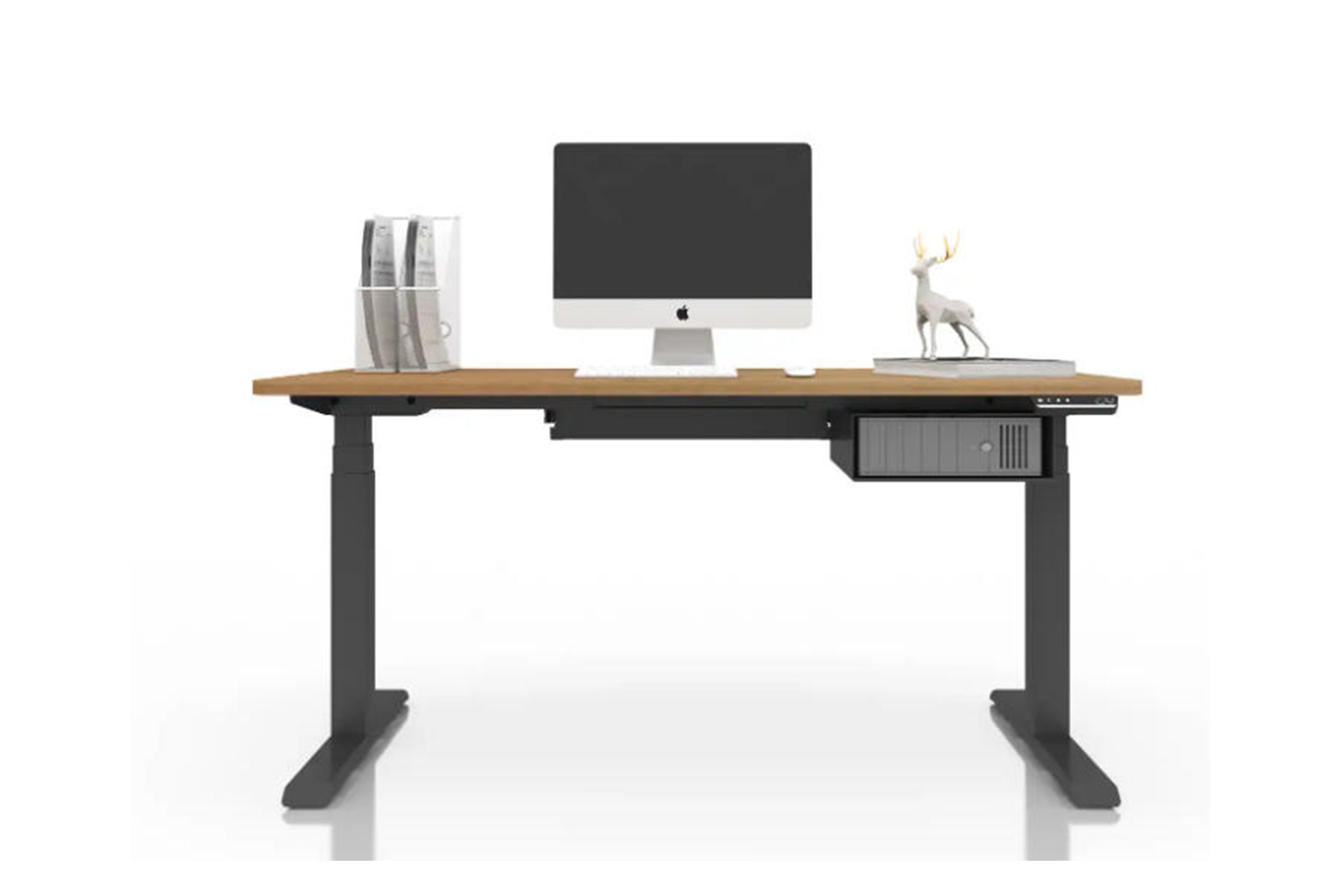
Desks and chairs are the school supplies that accompany students for the longest time. As students grow, so too should they. Ill-fitting desks and chairs first cause physical protest. When a 1.7-meter-tall student huddles in desks and chairs designed for 1.4-meter-tall children, the spine is forced to withstand the pressure of abnormal curvature. Over time, postural problems like cervical kyphosis, thoracic kyphosis, and lumbar scoliosis can develop. Ophthalmologists have found that inappropriate height differences between desks and chairs force many students to bend their heads too much when reading and writing, and improper viewing distance directly contributes to rising rates of myopia.
The mismatch between desks and chairs and height is no small matter. Research shows that an ergonomic learning environment can improve learning efficiency by 15%-20% and reduce the incidence of musculoskeletal discomfort by 30%. my country's national standard "Functional Dimensions and Technical Requirements for School Desks and Chairs" (GB/T 3976-2014) has long defined height standards for desks and chairs for different height groups, categorizing them into 11 models to cover students from 113 cm to 180 cm. However, a significant gap remains between the formulation of the standard and its actual implementation.
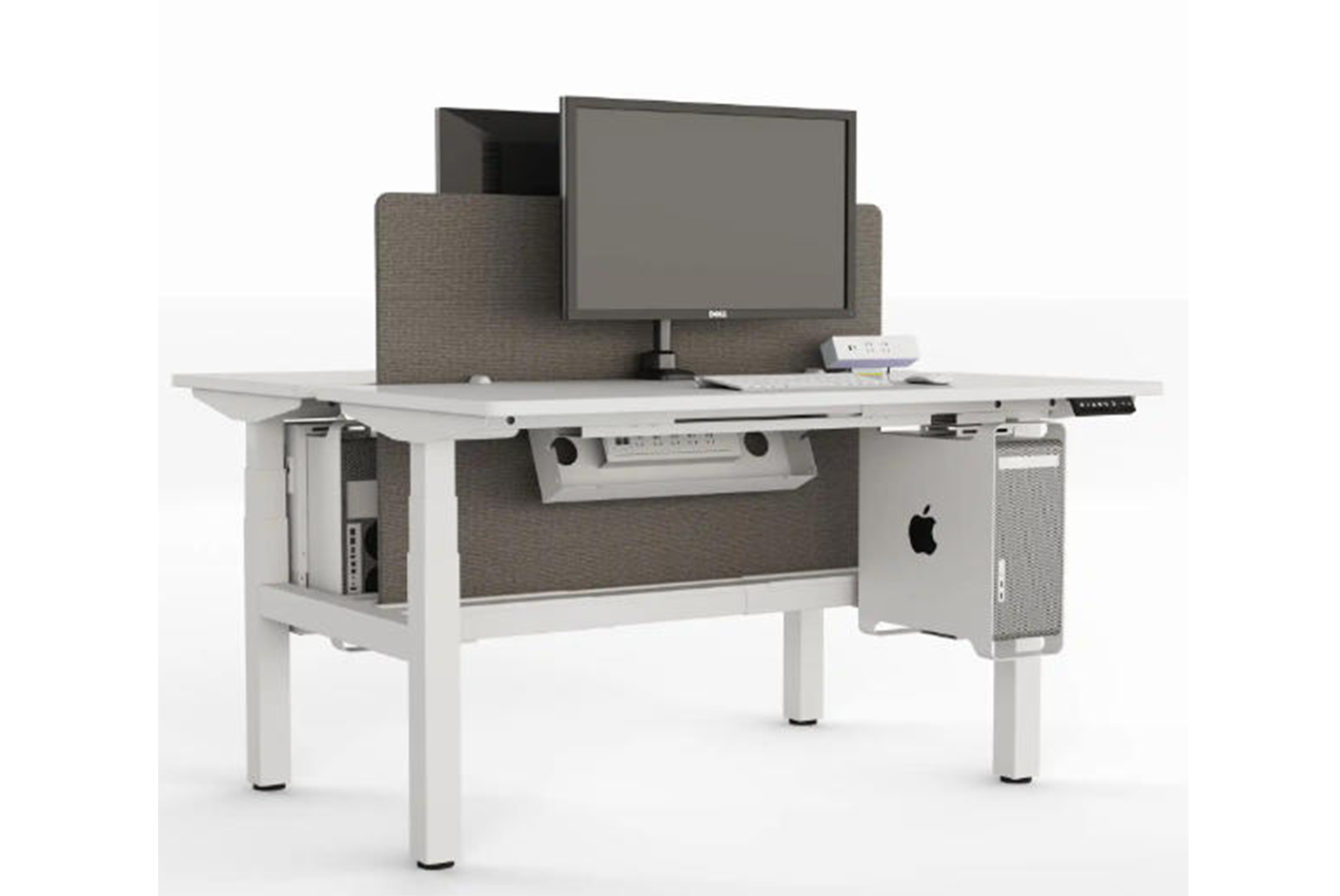
Resolving this dilemma requires a multifaceted effort. For schools, the ideal solution is to equip students with adjustable desks and chairs. While these require a significant initial investment, they can flexibly adapt to student growth and are economical and practical in the long run. If resources are limited, schools should at least allocate fixed desks and chairs of varying sizes based on student height and establish a semester-by-semester adjustment mechanism.
For families, parents need to be keen observers of their children's physical changes. If they notice their children complaining about discomfort or developing poor sitting posture, they should promptly communicate with the school. Temporary solutions include height-adjustable footrests, lumbar support, and other assistive devices, but these should only serve as transitional measures.
Every growing body deserves proper accommodation. Properly fitting desks and chairs are not only about comfort but also about learning efficiency, healthy development, and even the attitude towards learning itself. When we provide students with a learning environment tailored to their bodies, we not only protect their spines and vision but also convey a sense of respect—respect for the laws of growth, respect for individual differences, and respect for the very essence of education.
Enabling desks and chairs to "grow" with students shouldn't be a luxury; it should be a fundamental requirement of educational infrastructure. Only in an environment where space and the body coexist harmoniously can the mind stretch freely and the gaze of the seeker of knowledge reach further afield.