

The perils of sitting for eight or more hours a day are well-documented. Sedentary behavior is linked to a host of health issues, including an increased risk of obesity, type 2 diabetes, cardiovascular disease, and even certain types of cancer. It leads to a slowed metabolism, poor circulation, and muscle degeneration, particularly in the core and lower body. Furthermore, sitting places immense strain on the spine, often leading to chronic back and neck pain, the most common complaints among office workers. The human body was designed for movement, and sitting static for hours on end is a direct contradiction to our biological blueprint.

This is where the height adjustable desk enters the scene, not as a magic bullet, but as a powerful tool to combat the sedentary nature of modern work. The benefits are multifaceted, impacting physical health, mental acuity, and overall well-being.
First and foremost are the profound physical health advantages. By simply moving from a seated to a standing position, you engage a different set of muscles. Your core, legs, and glutes are activated to keep you upright, which helps to strengthen postural muscles and improve overall stability. Standing promotes better spinal alignment, alleviating the compression of discs that occurs when sitting. This can lead to a significant reduction in lower back pain, a transformative benefit for millions. Furthermore, standing increases energy expenditure. While the calories burned from standing versus sitting may seem modest individually—about 50 more calories per hour—over weeks and months, this difference can contribute meaningfully to weight management and metabolic health. Improved circulation is another critical benefit; standing encourages blood flow, reducing the risk of varicose veins and deep vein thrombosis (DVT) and preventing the afternoon lethargy that often follows a large, sedentary lunch.
Beyond the physical, the cognitive and productivity benefits are equally compelling. Users of standing desks frequently report higher levels of energy and reduced feelings of fatigue throughout the day. This is likely due to better oxygenation from improved posture and circulation. The slight physical engagement required to stand can also help maintain alertness and focus, staving off the post-lunch dip that cripples productivity. Many find that the ability to move slightly—shifting weight, stepping in place, or doing subtle stretches—helps them think more clearly and creatively. The very act of standing can create a psychological shift towards a more active and engaged mindset, breaking the passive monotony of seated work. Studies have shown correlations between standing desk use and improved mood and reduced stress levels, contributing to a more positive and effective work environment.
However, the standing desk conversation requires a critical disclaimer: standing all day is not the goal. The mantra of ergonomics is movement and variation. Standing statically for eight hours can lead to its own set of problems, including increased pressure on the knees and feet, leg fatigue, and varicose veins. The true power of a standing desk is not in replacing sitting with standing, but in enabling seamless transition between the two.
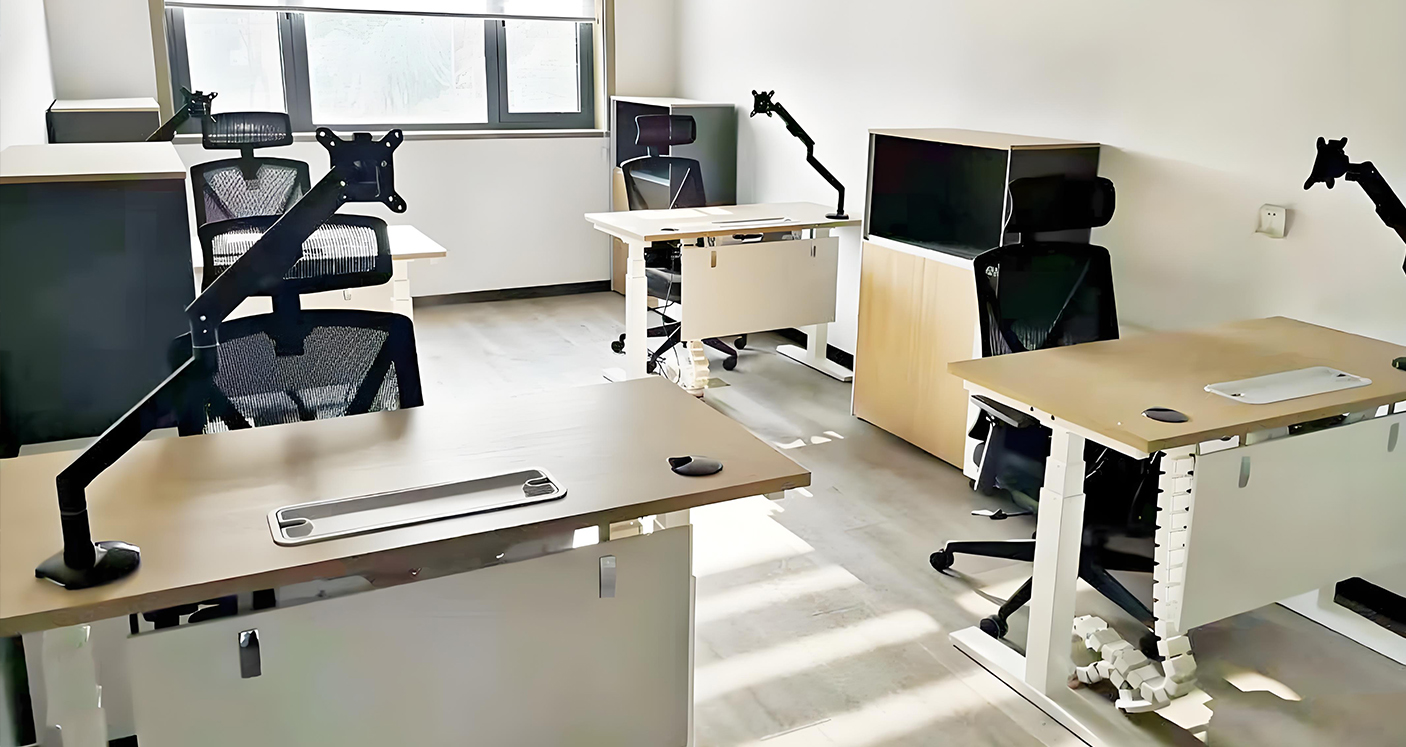
This is why the most effective approach is the hybrid model. The goal is to break up long periods of sitting with intervals of standing. A popular and effective method is the 30-60 minute rule: for every hour of work, aim to stand for 15 to 30 minutes. Listen to your body; stand when you feel your energy dipping or your back getting stiff, and sit when your legs need a rest. Modern electric sit stand desk make this transition effortless, allowing you to find the perfect height at the touch of a button.
To maximize the benefits of a standing desk, proper setup is essential. The monitor should be at arm's length, with the top of the screen at or just below eye level to prevent neck strain. Your elbows should rest at a 90-degree angle, and your wrists should be straight and neutral while typing. Perhaps the most important accessory is an anti-fatigue mat. This cushioned mat encourages micro-movements in your feet and calves, reducing joint pressure and making prolonged standing significantly more comfortable. Supportive footwear is also a must.
In conclusion, is standing at your desk actually better than sitting? Yes, but not in the way one might initially think. A standing desk is not a mandate to stand all day. Rather, it is a liberation device. It empowers you to listen to your body’s needs, to move freely, and to defy the unhealthy rigidity of the traditional office chair. The greatest benefit it offers is choice—the choice to shift your posture, to engage different muscles, and to inject much-needed movement into your workday. By facilitating this constant, low-level activity, the standing desk effectively mitigates the severe risks associated with prolonged sitting. It is a profound upgrade to the modern workspace, fostering a culture of health, awareness, and dynamic work that our bodies truly need. The revolution isn't about standing still; it's about finally being allowed to move.